















Positioning That Wins: How to Make Complex B2B Products Clear and Compelling



Positioning a B2B product was much easier a decade ago. Competition was sparse, and categories were clear. If you had a decent product, you could carve out space just by showing up.
Take Jira. When it launched in 2002 as "issue tracking for developers," the field was wide open. A few competitors, simple choices.Fast forward to 2026, and Jira competes with Monday, Asana, ClickUp, Linear, and hundreds of project management tools that all claim to do the same thing.
In 2026, B2B brand positioning is like walking a tightrope.
Lean too far left, and you blend in with your competitors: "AI-powered platform for modern teams" could be anyone. Lean too far right, and you create a category so unique that buyers don't even know to search for it.
One drowns you in the sea of sameness. The other leaves you to die alone. That's why knowing how to position your brand in the competitive B2B space matters more than ever.
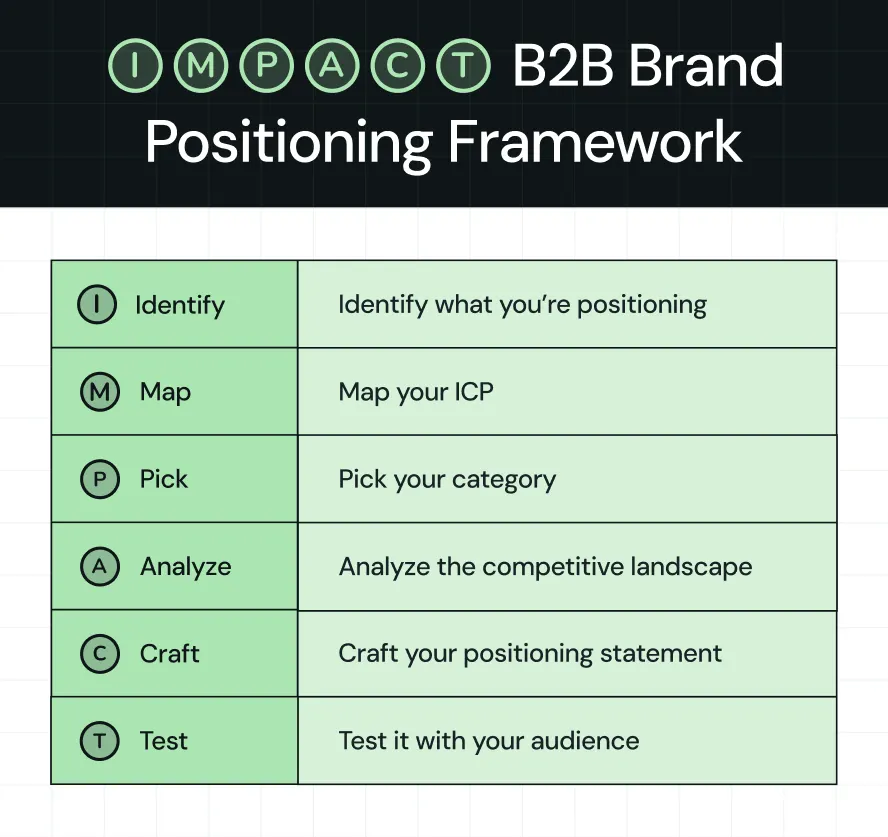
In this guide, we'll walk you through Thunderclap's IMPACT B2B Brand Positioning Framework, a 6-step framework that has helped B2B brands like Amazon, Factors, Skyroot, and Z47 cut through the noise and create positioning that's clear, compelling, and actually wins deals.
But before that let’s address some basics.
What Is The Difference Between B2B And B2C Brand Positioning?
The difference lies in decision-making and buying cycles. B2C positioning targets individual consumers with emotional triggers and faster decisions. B2B positioning addresses multiple stakeholders, longer evaluation periods, and risk-aware buyers.
But there's a deeper distinction. And Erin Miska, B2B positioning expert and founder of Erin Miska Consulting, puts it perfectly:
"In B2C, brand often is the product. People are buying identity, emotion, belonging, vibe. In B2B, brand is a trust accelerator. It gets you taken seriously. It amplifies a well-positioned value proposition. But if you invest in brand before you have a crisp audience and value prop, you're just amplifying a fuzzy story."
In B2B, brand doesn't replace clarity, it depends on it. That's why having a clear B2B brand positioning matters.
Why B2B Brand Positioning Matters More Than Ever in 2026?
This might ruffle a few feathers, but saying "revolutionize your workflows" had more value in 2005 than in 2026.
One reason is AI. The problem isn't that AI writes bad copy. It's that AI makes it effortless to sound like everyone else. Professional-sounding sentences are now free, which makes them worthless.
But generic website copy is just a symptom. Weak positioning is the real disease. AI doesn't invent vague messaging. It amplifies whatever you feed it.
If your positioning is "we help teams collaborate better," AI will dress it up as "empower your teams to unlock transformative collaboration." Still meaningless, just shinier.
"AI can help you write good copy, but it cannot do the base-level research for you. Your copy is only as good as the information you feed it," says Ayush Barnwal, ThunderClap's Partner and Head of Design.
The companies standing out in 2026 aren't using better AI prompts. They have sharper, more specific positioning that AI can't replicate, only amplify. When your positioning is clear, who you serve, what you do, and why it matters, AI becomes a tool. But when your positioning is vague, AI just helps you blend in faster.
How To Position Your Brand In The Competitive B2B Space in 6 Steps: The IMPACT Framework
Here’s the 6-step IMPACT framework we use to craft positioning, backed by real B2B brand positioning examples from our clients. IMPACT stands for Identify, Map, Pick, Analyze, Craft, and Test.
Step 1: Identify What You're Positioning
This might seem obvious, but it's the most overlooked step, especially for companies with multiple products. They jump straight to writing positioning statements without asking: Are we positioning the company? One lead product? A suite?
How to figure out the right b2b brand positioning strategy?
If you have a single product, your company positioning matches your product positioning.
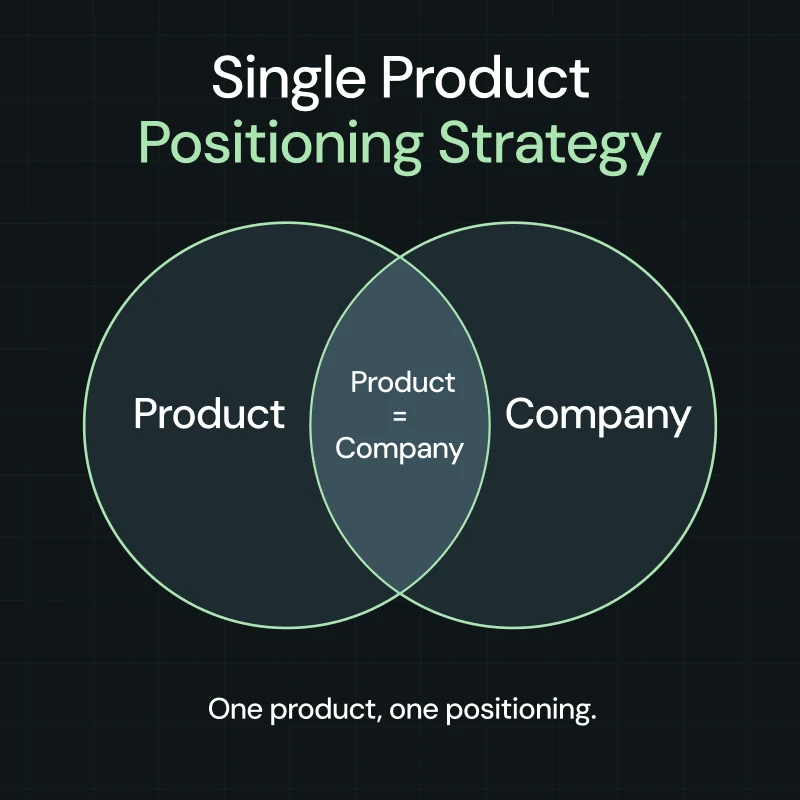
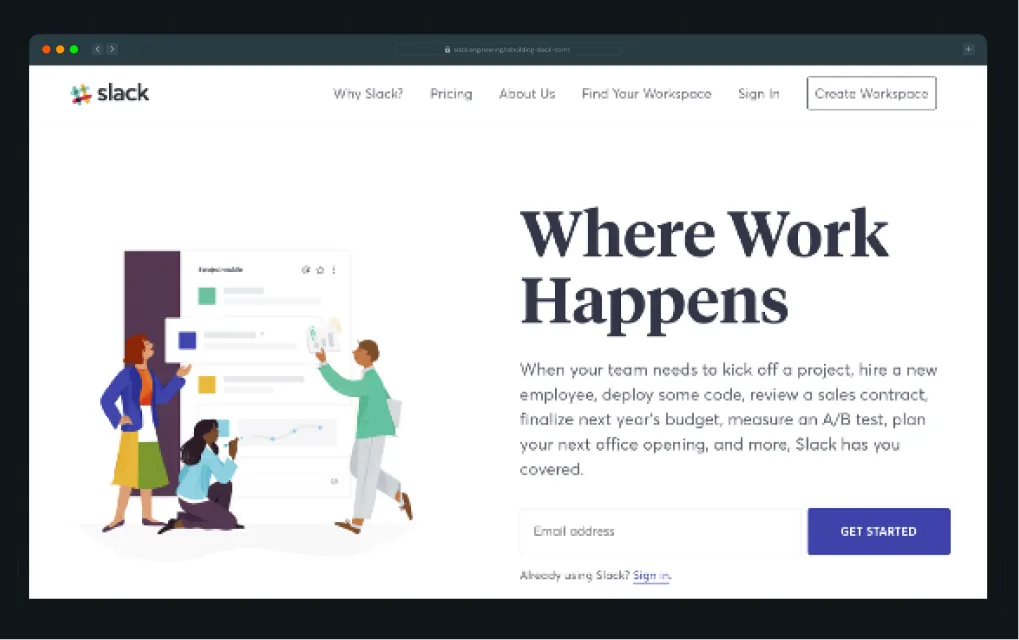
Example: Slack before the Salesforce acquisition is a good example. Slack, the product, was Slack the company.
If you have multiple products, you have two ways to approach this:
1. Lead Product Strategy: Pick one product to lead with. Everything else becomes a cross-sell.
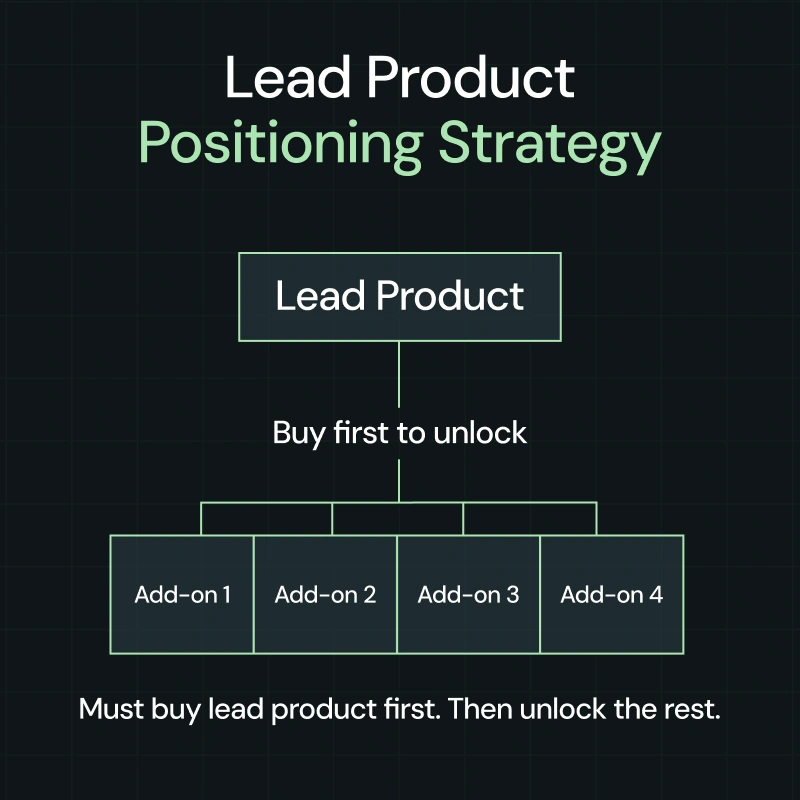
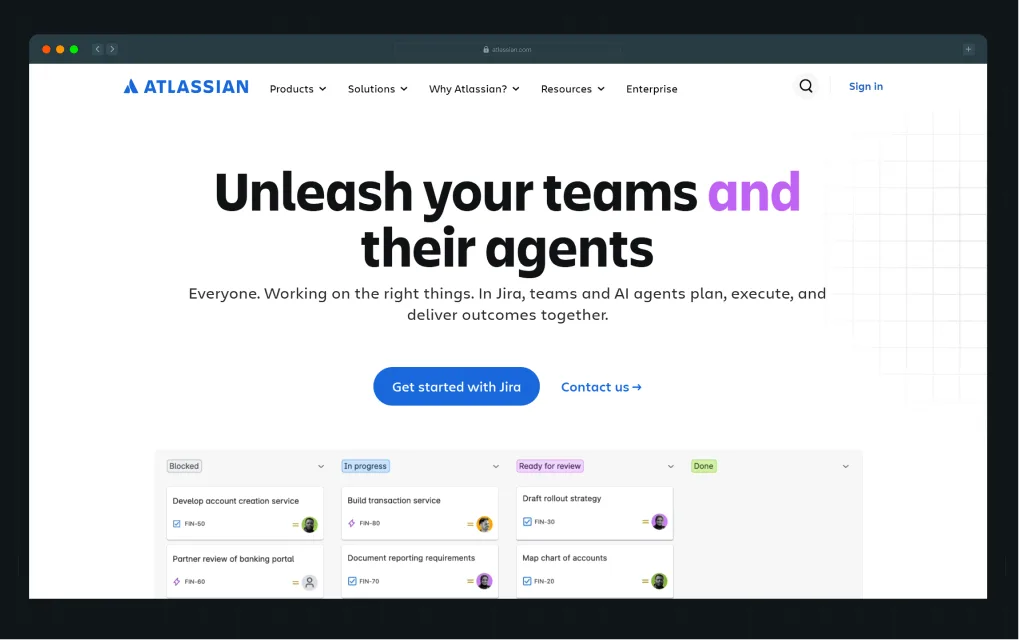
Example: Atlassian does this from the start. Their homepage focuses entirely on Jira, their issue tracking software. They have Confluence and Trello, but those stay in the background. Jira brings most customers in. Once teams use it, Atlassian cross-sells the other products, though each product can be purchased independently.
2. Umbrella Strategy: Position your company around one big idea that ties all your products together.
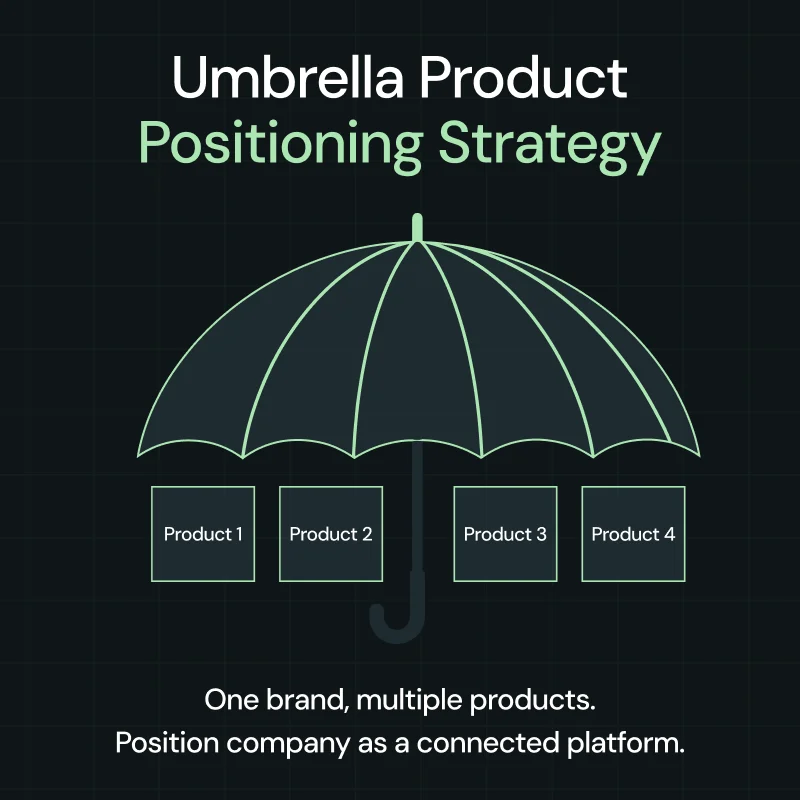
Example: We helped InnQuest, a property management system (PMS) software, on this. After 30 years with multiple product brands, they rebranded to roommaster with a new website design and positioning.
They maintained separate positioning for booking software, channel management, and payments. The rebrand brought them under a single umbrella: an integrated hospitality platform.
Step 2: Map Your ICP
This doesn't mean firmographic details like company size, industry, or geography.
Here's what he means. A B2B SaaS company with 100 employees might fit your target profile on paper. But if they don't have the specific workflow problem you solve, they won't buy.
Companies buy based on the work they need to get done, not their company size. Firmographics tell you who exists, but use cases and categories tell you who's actually ready to buy.
How to define your ICP?
Here are two ways to define your ICP:
- Based on use-case: Start with the workflow your product solves. Then find who does that workflow most often.
Example: Calendly's use case is "schedule meetings without back-and-forth emails." It is mainly used by sales teams, recruiters, customer success managers, consultants, and account executives. The use case tells you exactly who needs it.
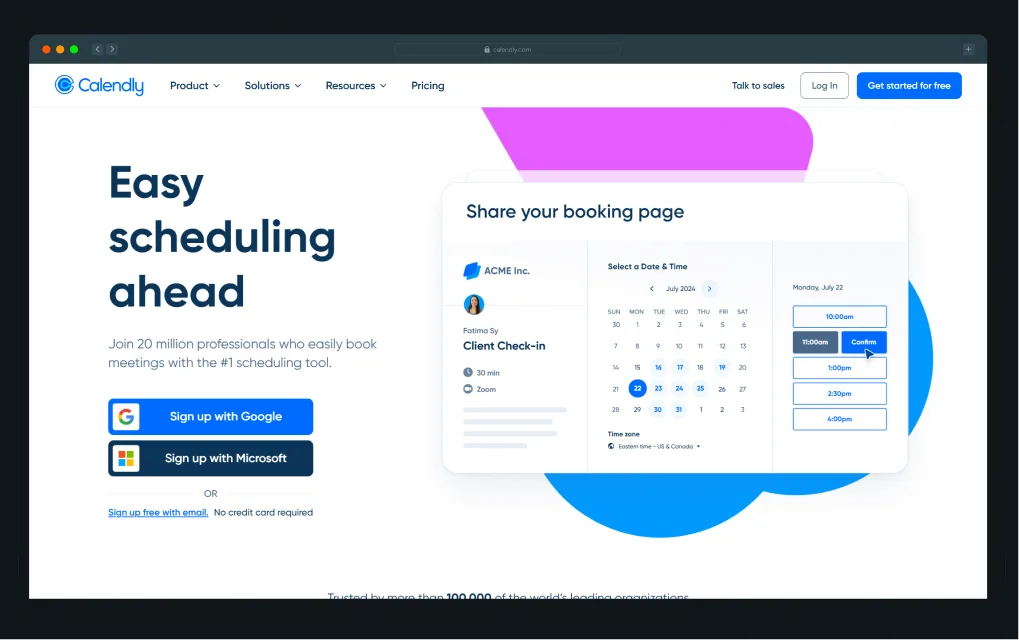
In this case, the firmographics alone would say "B2B companies, 50-500 employees." But therapists and university advisors schedule meetings too. This approach helps you find people firmographics would never find.
- Based on category: Start with the category buyers already shop for.
Example: When we revamped Rezolv's website, the category was clear: debt collection software. Banks already knew they needed tech to manage debt recovery.
Rezolv didn't have to explain the category. They just had to position their 7-product stack as better than the legacy solutions banks were using.
The category (debt collection tech) told banks what Rezolv was, while their positioning told them why to pick Rezolv. This is one of many b2b brand positioning examples where starting with category clarity accelerated the entire positioning process.
Step 3: Pick Your Category
Once you know your ICP, the next question is: what category do they already think in?
In other words, this is where you choose your battleground. Your category isn't just a label. It's the mental box buyers put you in when they're evaluating solutions. Pick the wrong box, and you're either invisible or fighting the wrong fight.
And here's the thing: your ICP directly determines your category choice. If you know who you serve and what workflow they're trying to solve, the category becomes obvious.
How to pick your category?
Here are two ways to choose your category, according to Anthony Pierri:
- Anchor to an Existing Tool: Position your product in a category buyers already shop for.
Example: Notion positions itself as a "workspace tool." They don't invent a new category. They anchor to where buyers already look and say: we combine docs, wikis, and project management in one place.
.webp)
- Anchor to an Existing Task/Workflow: Position around what buyers are already trying to do.
Example: When ThunderClap worked with Tagalys to revamp their website, their ICP was clear: Fashion & Lifestyle ecommerce brands.
But the category wasn't about the tool; it was about the workflow. Tagalys anchors to what their buyers are already trying to do: improve product discovery and merchandising on their online stores.
Note: Tool-based categories are easier to explain, but you face direct competition and price pressure. On the other hand, workflow-based categories have less competition but require more buyer education and longer sales cycles.
{{specficService}}
Step 4: Analyze Your Competitive Landscape
Once you choose your battleground, it's important to know its top players, what they do, how they do it, and why they do it.
This isn't about obsessing over them, but understanding them. Yi Lin Pei, product marketing coach and founder of Courageous Careers, actually equates "competitive intelligence to knowing yourself."
It's about finding white space to sharpen your differentiation and find a winning positioning.
Most companies skip this step or do it half-heartedly. They glance at a few competitor homepages, maybe check their pricing, and call it done.
That's not competitive analysis.
How to analyze your competitive landscape?
Once you know who your competitors are, dig into what they're actually saying and what their customers think. Look at their websites and review platforms such as G2, Capterra, and Trustpilot.
The questions you're trying to answer:
- What story are they telling? What value do they promise?
- What features and benefits do they highlight?
- What do their customers love?
- What do their customers complain about?
Example: When we revamped Factors.ai's website and brand identity, we used ThunderClap's Competitor Analysis Framework to analyze competitors such as 6sense, Demandbase, and Dreamdata.
And here's what we found: Most platforms position themselves as enterprise ABM solutions. While customers praised their capabilities, they weren't happy about the ease of use and pricing.
That gap became our design anchor while designing their website, from the social proof marquee to product animations, positioning Factors as a faster, reliable alternative for mid-market B2B teams.
Pro Tip: The "Recurring Complaints" in competitor reviews are gold. That's where you find what the market wants but isn't getting. Own that gap, and you own the positioning.
Step 5: Craft Your Positioning Statement
Now that you know your ICP, category, and competitive gaps, it's time to distill everything into one clear positioning statement.
This statement forms the foundation for every marketing decision you make. It tells you who you are, why you matter to your audience, and keeps you from sliding into vague territory.
At ThunderClap, we use the Onlyness Statement framework from Marty Neumeier to build positioning statements with our clients. It forces you to get specific across six dimensions: what, how, who, where, why, and when.
How to build your positioning statement?
The Onlyness Statement breaks down like this:
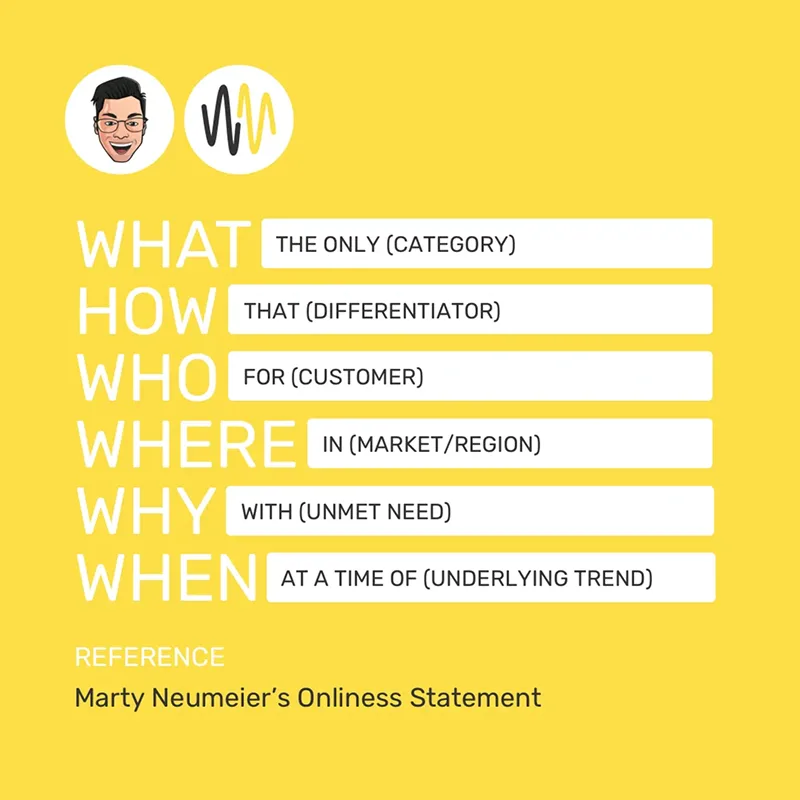
- WHAT: The only [category]
- HOW: That [unique capability or approach]
- WHO: For [specific ICP]
- WHERE: In [geography, if relevant]
- WHY: Who wants to [specific outcome or goal]
- WHEN: At a time when [market context or pain point]
Example: When we helped Deductive.ai craft their positioning statement as part of their website revamp:
- WHAT: The only AI-powered root-cause analysis tool for software teams
- HOW: That connects to your codebase and telemetry to automatically search and reason about production incidents
- WHO: For CTOs and VPs of Engineering at tech companies with 500-1000 employees
- WHERE: Running cloud-native infrastructure
- WHY: Who wants to eliminate hours spent debugging and root-causing incidents
- WHEN: At a time when 90% of software operates in the dark without observability
This positioning statement guided everything from their homepage hero to their landing page design and product animations, helping them achieve 10x more engagement after launch.
This is a strong b2b brand positioning example of how the Onlyness Statement translates abstract product capabilities into clear buyer value.
{{specficBlog}}
Step 6: Test Your Positioning
This is where you decide whether you want positioning that sits well in a Google Doc or one that actually accelerates market differentiation and improves brand recall.
Refining your b2b website strategy without testing your positioning is like launching a product without talking to customers. You might think it's clear, but your buyers might be confused.
How to test your positioning?
Run your positioning by 5-10 people from your ICP. Show them the positioning statement and your current website (in case you are revamping), and ask these questions:
- What type of company is this product for?
- What specific problem does it solve?
- Why would you choose this over alternatives?
- What questions do you still have?
This will help you identify reasons why your current website or positioning doesn't resonate with your ICP.
If 7 out of 10 people correctly identify your ICP, problem, and differentiator, your positioning works. If they're confused or give different answers, you need to revise.
Example: When building ThunderClap's positioning, we found most agencies sell aesthetics, not impact. We tested our positioning with marketing leaders who immediately understood our focus on ROI over design.
That validation allowed us to implement it across our website and landing page.
Pro Tip: If multiple people ask the same question or misunderstand the same thing, that's your signal to clarify before moving forward.
Looking for a B2B brand positioning agency to help you stand out?
The companies winning in b2b tech brand positioning aren't the ones with better products. They're the ones who can explain what they do in 3 seconds, stand out in a crowded market, and give buyers clarity instead of confusion.
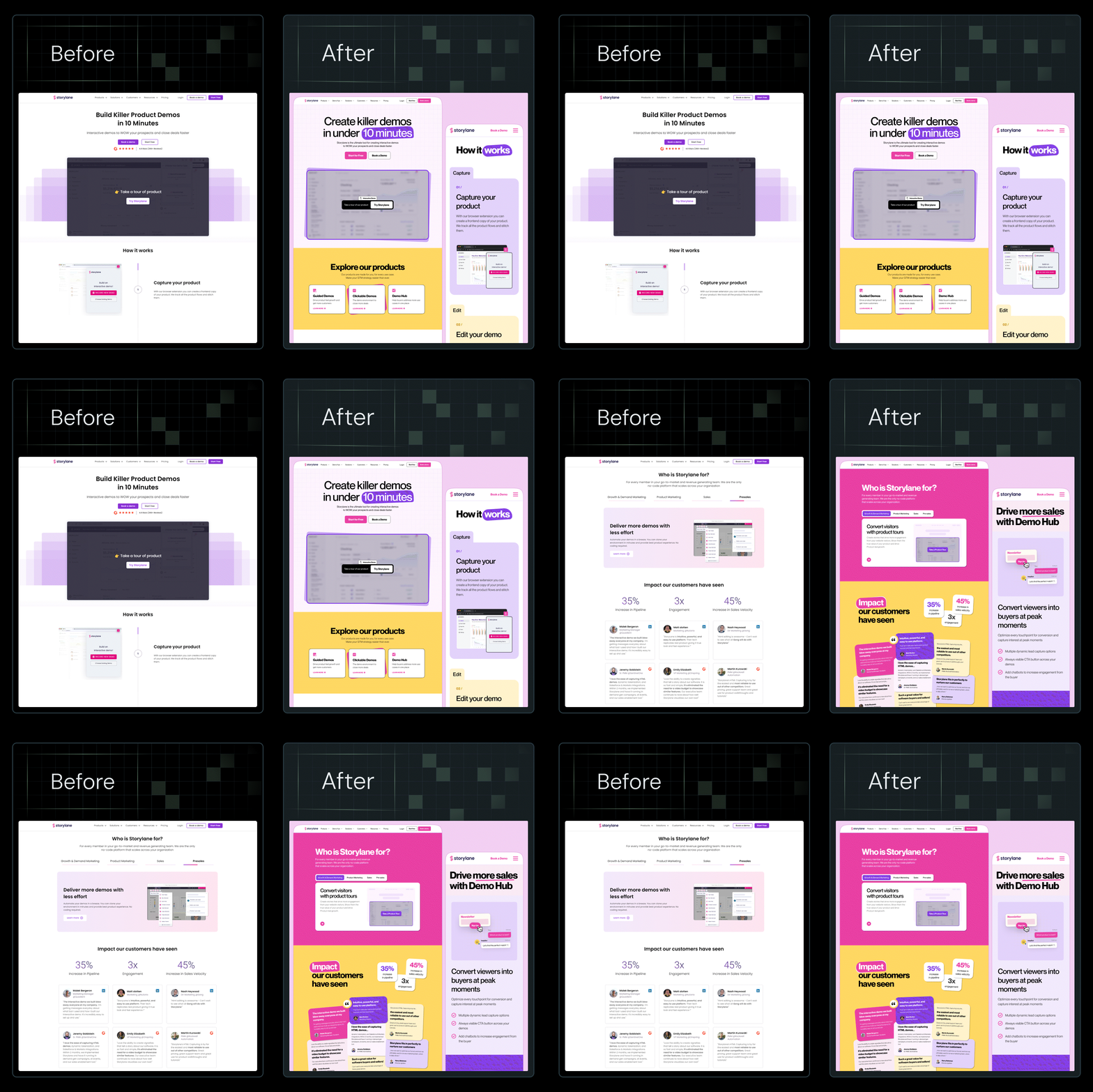
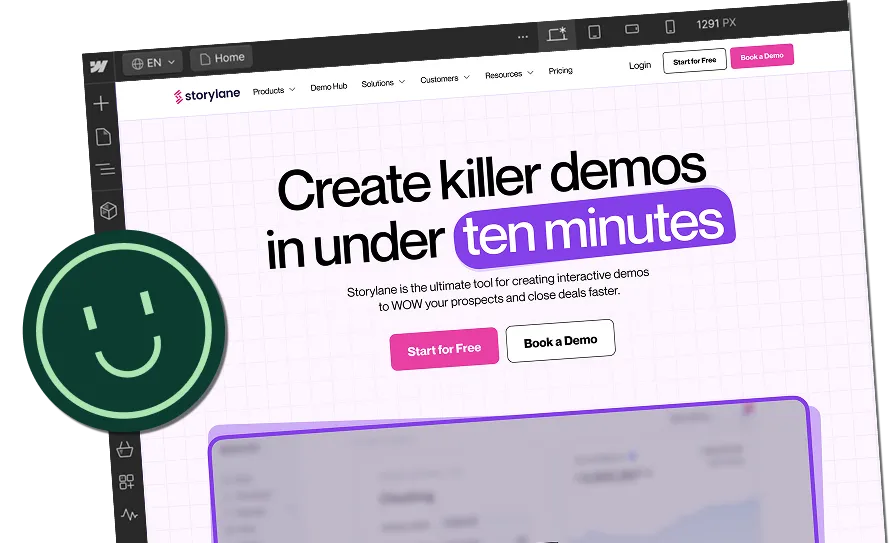
At ThunderClap, we've worked with 140+ B2B brands across SaaS, Fintech, AI, and VC to build positioning that accelerates market differentiation. From Storylane, roommaster, and Factors.ai to Deductive.ai and Skyroot, we've helped companies translate complex products into clear, compelling positioning that drives results.
We bring the frameworks, the competitive analysis, and the execution speed that internal teams lack. What takes you 6 months of internal debate, we compress into 8-12 weeks of focused execution.
Our approach is simple: dedicated project managers, usually founders or senior account managers, handle everything from positioning strategy to website launch. No handoffs, no translation loss.
And because we've mapped the competitive landscape across SaaS, Fintech, AI, and VC, we know how to position you for differentiation without costly missteps.
{{ctaBlock}}
FAQs
1. What is B2B brand positioning and why does it matter?
B2B brand positioning defines the space you occupy in your buyers’ minds and explains why they should choose you over alternatives. As buying journeys get more complex, competition increases, and sales cycles grow longer, strong positioning becomes the primary driver of market differentiation in crowded B2B markets.
2. What is the difference between B2B and B2C brand positioning?
The difference lies in decision-making and buying cycles. B2B positioning targets multiple stakeholders, longer evaluation periods, and risk-aware buyers. B2C positioning focuses on individual consumers, faster decisions, and emotional triggers. In B2B, clarity and relevance matter more than novelty.
3. How do you position your brand in a competitive B2B space?
Start by identifying what you’re positioning: a single product, a lead product, or a portfolio. Map your ICP based on workflows and buying context, not firmographics. Pick a category your buyers already understand. Analyze competitors to find gaps. Craft a clear positioning statement, then test it with real buyers.
4. How does B2B tech brand positioning differ from other industries?
B2B tech buyers prioritize ease of use, internal buy-in, integrations, and scalability. Instead of differentiating on features alone, effective tech positioning focuses on how a specific workflow is solved for a defined audience and on the measurable impact on efficiency, adoption, and ROI.
5. What are some good B2B brand positioning examples?
- Factors is clear about who it serves: mid-market B2B revenue teams that want account intelligence without enterprise complexity.
- Storylane keeps its positioning tight by focusing on one thing buyers care about: seeing the product before talking to sales.
- Deductive speaks directly to engineering leaders frustrated by time lost debugging incidents.
- Skyroot avoids abstract innovation talk and positions around dependable access to space.
- Notion makes its value obvious by framing itself as a single workspace replacing scattered tools.
They work because buyers don’t have to decode the message. The positioning is clear, specific, and easy to place in a known category.



.webp)
Browse Similar Articles




Leading 5 SaaS Branding Agencies in Florida (That Actually Understand SaaS Growth)

.svg)

How to Turn Your B2B Website into a Self-Serve Growth Engine? (PLG Ready in 2026)

9-Step Website Copy Audit Checklist to Improve Conversions (Examples from Top B2B Brands)

.webp)

How to Choose the Right Fintech Web Development Company for Your Business
Top B2B Website Design Principles That Turn Visitors into Qualified Leads
%20Audit%20That%20Actually%20Improves%20Revenue.webp)
How to Do a Conversion Rate Optimization (CRO) Audit That Actually Improves Revenue
Web Design Agency vs. Freelancer vs. In-House: What Actually Works in 2026
5 CRO Agencies in London and How to Choose the Best CRO Agency for Your Business
The Ultimate Fintech B2B Positioning Guide for 2026 (That Actually Drives Conversions)
Mapping the B2B Buyer Journey to Improve Conversions Across Every Touchpoint
.webp)
7 Best Website Maintenance Companies in India for Growth-Led B2B Teams (2026)

.webp)

8 Best Healthcare Website Design Agencies for HIPAA-Compliant Sites in 2026


How to Find the Best Web Design Company in Houston, Texas for B2B Brands (6 Best Picks)
The Step-by-Step Website Redesign Process B2B Teams Use to Increase Conversions (Without Killing SEO and Pipeline)
7 Best Video Production Agencies for SaaS Product Walkthroughs and Feature Videos
How to Choose the Best B2B Website Maintenance Company: 9 Questions to Ask Before You Hire One


How to Choose a Web Design Company in San Francisco in 2026 (with Examples)

10 Best Web Design Companies in Florida in 2026 and How to Choose the Right One
How to Use Brand Storytelling on Your Website to Close More B2B Deals and Build Buyer Trust
SaaS CRO Best Practices: What High-Growth Brands Do Differently to Win Conversions

How a Rebranding Agency Can Redefine Your B2B SaaS Identity and Boost Pipeline
B2B Marketing Trends in 2026 That Directly Influence Pipeline and Revenue

Top 7 Video Marketing Agencies Driving B2B SaaS Brand Awareness in 2026

Why Partnering with a B2B Brand Positioning Agency Accelerates Market Differentiation

The Complete Website Redesign Checklist for B2B SaaS Teams Ready to Scale
.avif)
10 Best Webflow Development Agencies in India for 2026 (In-Depth Review)

10 Product Marketing Companies Powering the Fastest-Growing SaaS Brands in 2026
Website Copywriting Services vs In-House: What's Right for Your Business?


How to Choose a Marketing Agency That Understands B2B SaaS Growth Metrics


How to Choose a Video Marketing Agency That Understands B2B Storytelling

Outsourcing Web Design: Cost-Benefit Analysis for Mid-Market & Enterprise Brands

From Leads to Lifetime Value: How Growth Marketing Agencies Scale SaaS Revenue
Build a B2B Website Strategy That Aligns with Sales and Marketing Goals
Webflow vs WordPress: Which Platform Is Better for Your Business Website in 2026?
Fintech Web Design That Builds Trust: 8 UX Principles Every Fintech Site Needs

Optimizing for Intent: How B2B Website Messaging and UX Changes Help Capture Top-Funnel Buyers


12 Best B2B Web Development Agencies in the US to Build Scalable Websites

From Audit to Action: 8-Step Process to Optimize Your B2B Website Strategy for 2026 Buyers
How to Design a High-Converting Landing Page from Scratch (2026 Edition)

From Click to Customer: Proven Landing Page Conversion Optimization Techniques

How to Write Website Copy That Converts: A Step-by-Step Guide for 2026

How to Optimize a Landing Page for Maximum ROI: A Step-by-Step Breakdown


AI Landing Pages That Convert: 7 Design Principles Every AI Platform Should Follow




Interested in seeing what we can do for your website?



.webp)
