














Website Design Cost vs ROI: Making the Right Investment Decision

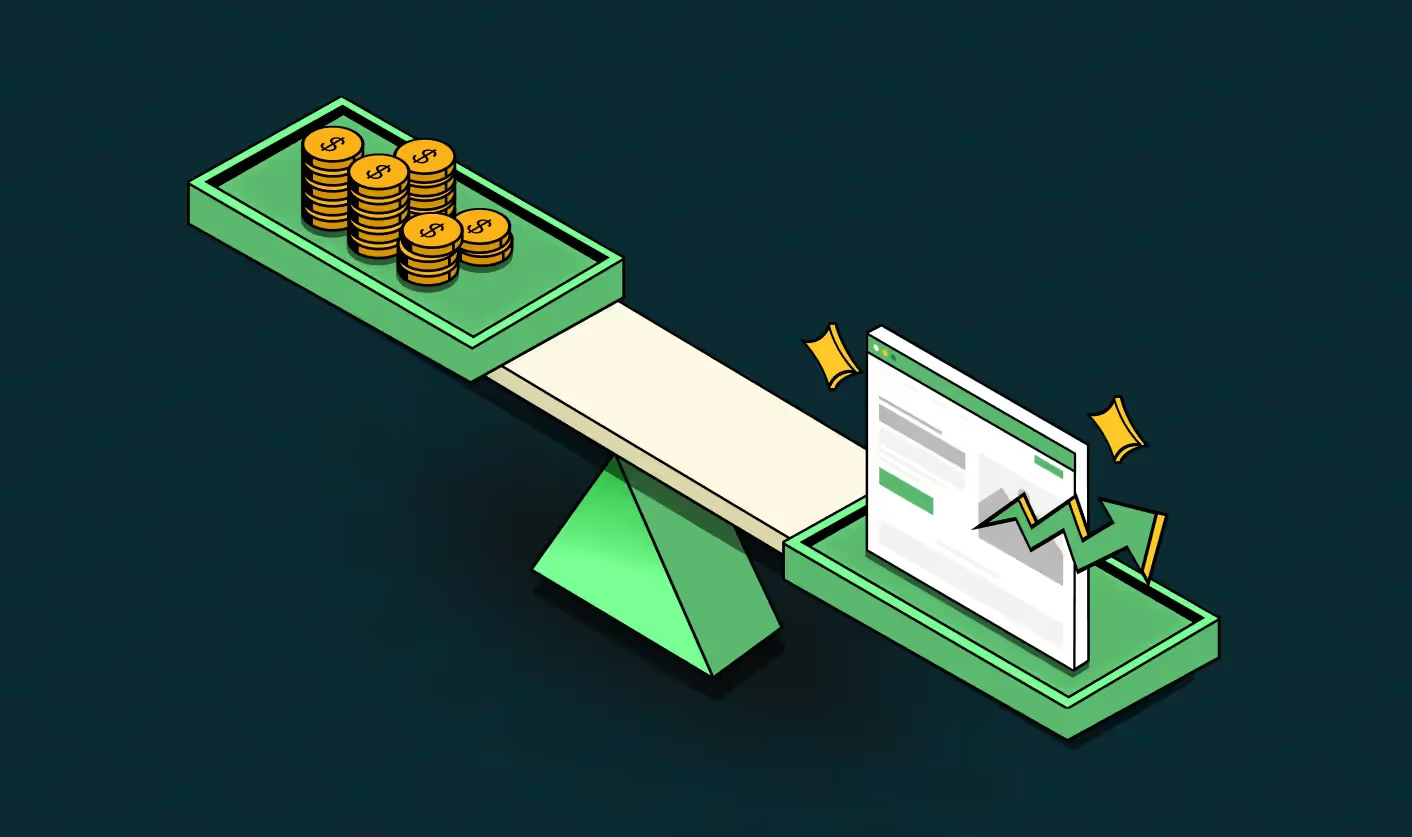

You might think asking, “How much does website design cost?” is the smartest place to start. It’s not. A better question would be, “What am I actually getting in return for the website design cost?”
Most quotes resemble checkout bills, consisting of figures without explanations. So, people pick the cheapest deal, only to pay way more later, as they fix slow checkout flows, broken links, or a design that kills trust. We once spoke with a business owner who opted for a low-cost custom website design primarily to save money. Later, their team watched in shock as the site crashed during a high-traffic campaign, wiping out their entire revenue target for the month.
At ThunderClap, we’ve rebuilt over 129+ B2B websites for SaaS, fintech, and enterprise tech clients, including Amazon, Storylane, Factors, Deductive AI, and Razorpay.
Your digital presence should drive tangible results, not drain your budget. Website design cost needs context, not just pricing, and when done right, it helps grow profit.
TL;DR
- Most businesses focus only on the cost of website design, overlooking the actual return, which leads to poor ROI and wasted budgets.
- ThunderClap’s V.A.L.U.E. Framework, encompassing Visibility, Aesthetics, Lead Conversion, UX, and Earning Potential, helps connect every design decision directly to measurable business outcomes.
- In fact, companies prove that strategic web design can lift impressions by 36%, engagement by 10x, and conversions significantly.
- By investing in AI-ready, performance-driven Webflow builds, brands can turn their websites into long-term growth engines rather than recurring expenses.
The V.A.L.U.E. Framework for ROI-Driven Web Design
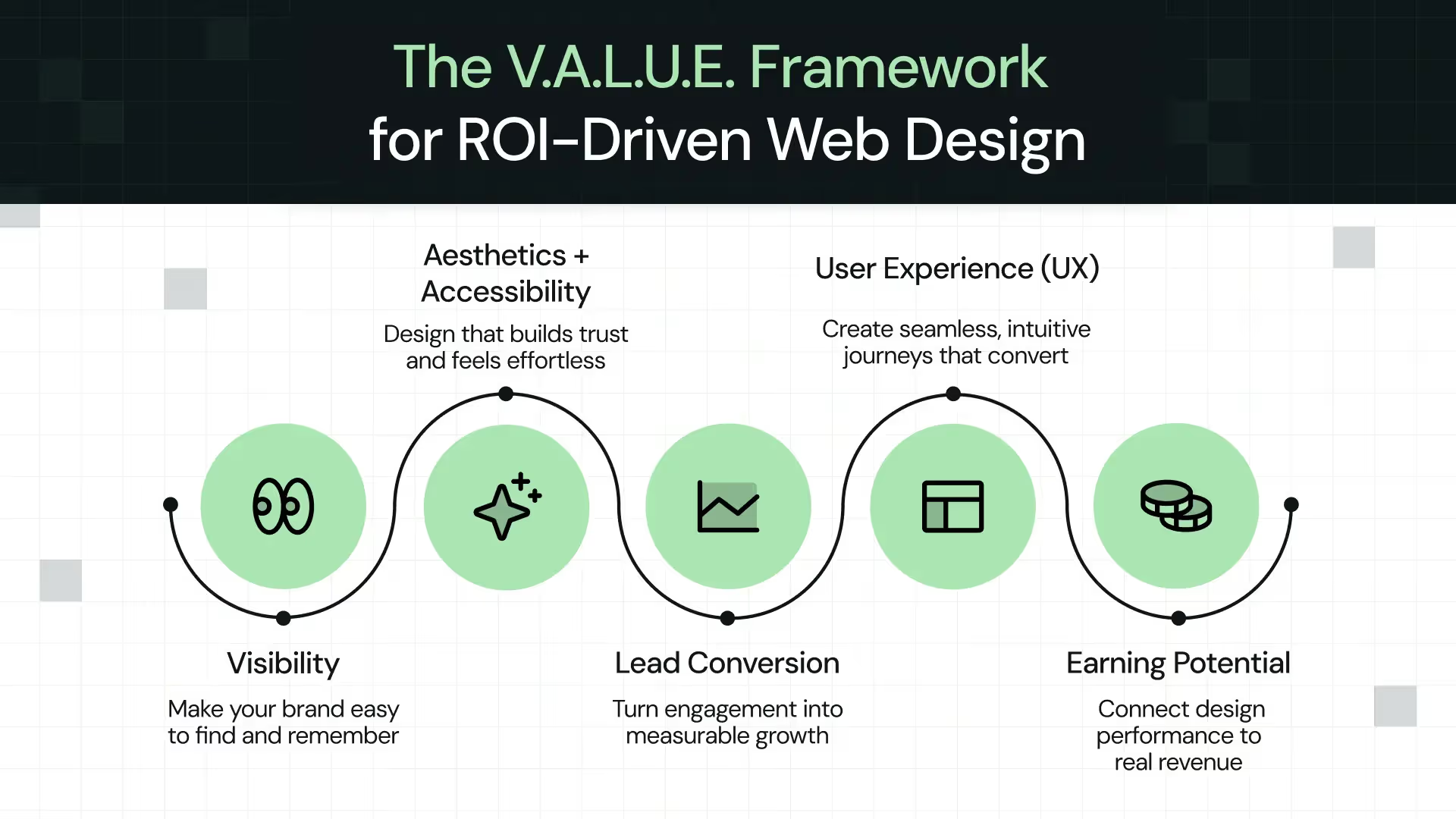
We built the V.A.L.U.E. Framework to shift how businesses think about website design cost, not as a creative expense, but as a strategic lever for growth. Every design decision, layout refinement, and user flow enhancement should serve one goal: measurable return on investment (ROI). This model helps you connect spend to outcomes, so you see where your website is earning and where it’s underperforming.
Each stage of VALUE is designed to make your investment work harder for you, whether you’re rethinking your custom website design cost, planning your next B2B site refresh, or just figuring out how much does website design cost when it’s done right.
V = Visibility
Visibility is the first and most critical metric of website success. No matter how excellent your design is, it means very little if your target audience cannot find your site.
At ThunderClap, we focus on maximizing visibility through strong search performance, paid media efficiency, and AI-driven discoverability across platforms like ChatGPT and Perplexity.
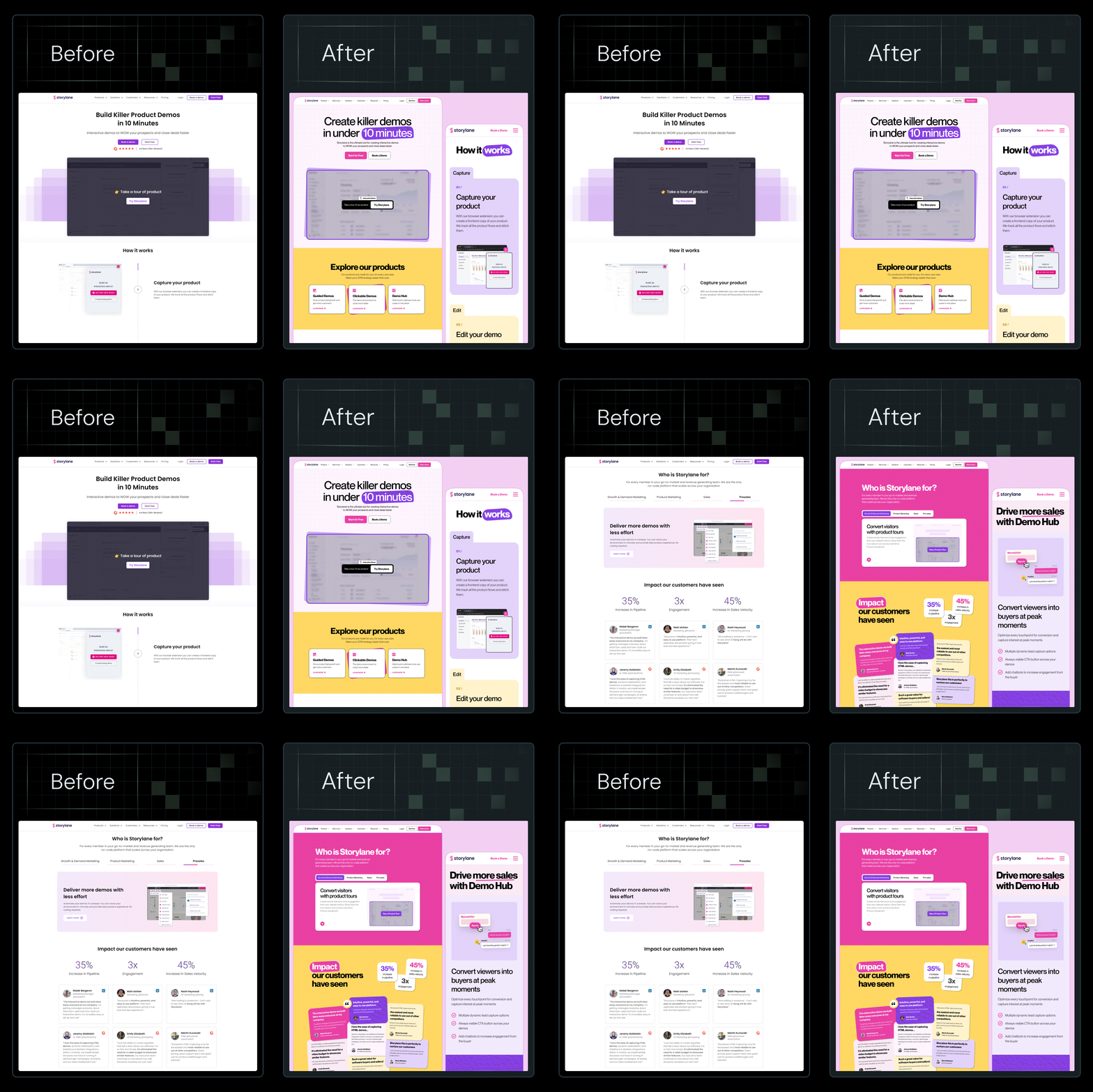
Storylane’s redesign showed us that the biggest trust signal sometimes comes from brand personality. Without changing a single word of copy, we introduced mood boards, a clean yet playful visual system, and custom illustrations to create a bold personality that stands out. The result was a 36% increase in impressions and a 30% increase in demo requests.
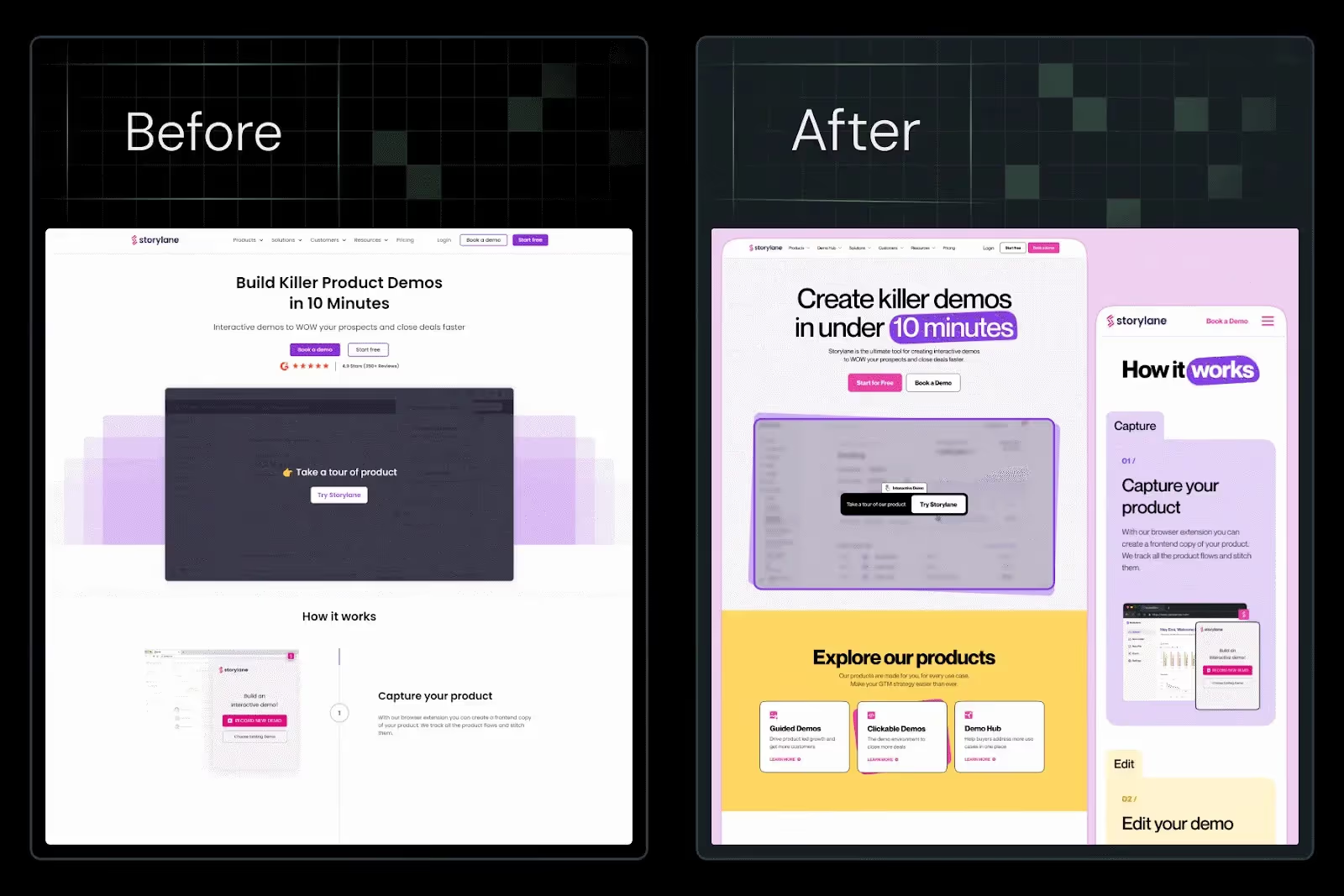
This example proves that investing in B2B website design goes beyond aesthetics and directly impacts your lead generation and brand reach. Here’s the complete breakdown in this LinkedIn post by Kiran Kulkarni, Partner and Head of Growth at ThunderClap, where she shares the detailed design process and before-and-after results.
Here’s how to boost visibility the right way:
- Conduct a thorough website audit and organize your sitemap into clear stages: Awareness (resources), Evaluation (features, use cases), and Decision (pricing, demo).
- Build modular navigation menus that allow easy addition or removal of items without breaking layouts.
- Keep bottom-of-funnel pages, such as pricing, comparison, and security, one click away, not buried deep inside the site.
A = Aesthetics + Accessibility
Good design looks beautiful. Great design feels effortless. When we overhauled Zenda’s design system, we prioritized clarity and proof points, resulting in a clean, confident look that earned an Awwwards nomination.
This is what B2B website design best practices look like when combined with design psychology to win trust and reduce buyer anxiety.
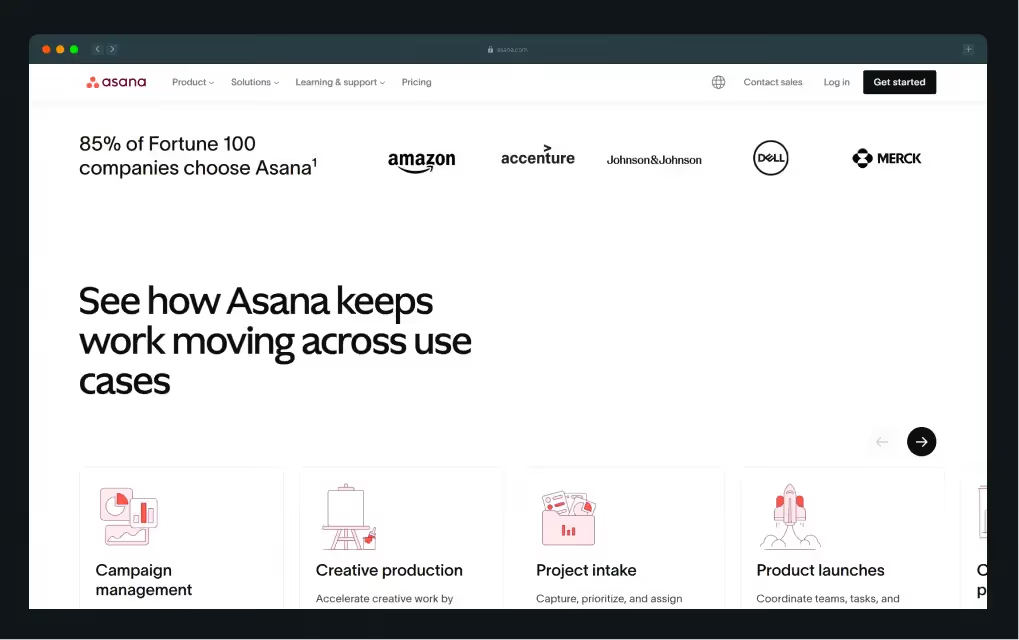
Whitespace is a silent signal of confidence. Consider Asana’s minimalist product pages, which embody calm, scannable, and focused design, in contrast to cluttered competitors that overwhelm users with jargon.
Social proof, like logos and testimonials, reduces perceived risk. Lokalise doesn’t just claim to be “trusted by companies worldwide,” they showcase JP Morgan, Prime Video, and Schneider logos near the headline and CTAs.
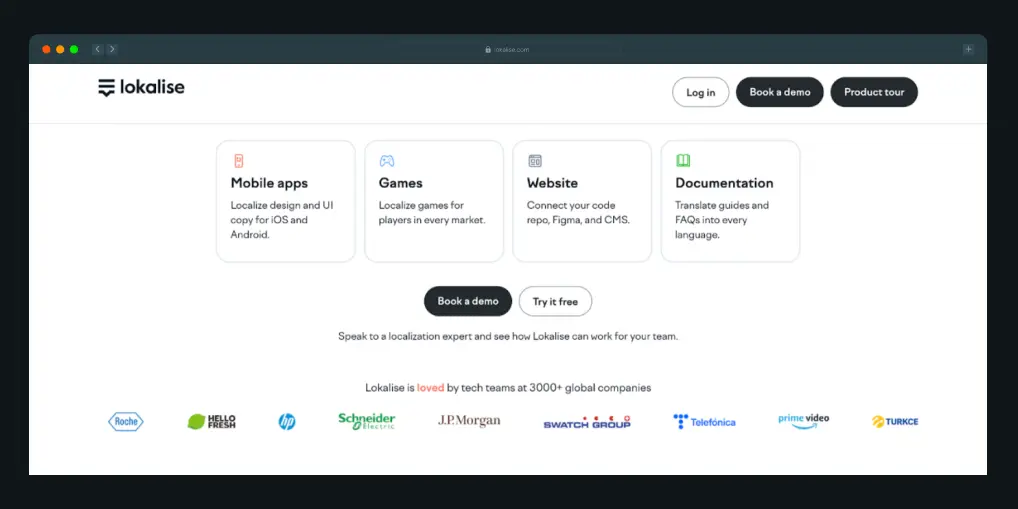
This shorthand reassures visitors with this slogan: “Others you respect already trust us.”
L = Lead Conversion
A website’s job doesn’t stop at getting noticed, but it should inspire users to act. Every scroll, hover, and click should subtly lead visitors toward that moment of intent, whether it’s a form submission or a purchase.
Take Deductive.ai, for example. ThunderClap collaborated with this stealth-mode startup, founded by two ex-MAANG members, to build a cohesive brand identity that resonated with investors and customers alike. Post revamp, the website received multiple industry recognitions, and engagement increased by 10x. This LinkedIn post by Harsh Barnwal demonstrates how this process took place:
That’s how smart design converts visibility into tangible business growth, showing how a thoughtful approach to custom website design cost can directly influence ROI. That’s why we use tools like Clarity, Google Analytics, Google Search Console to make sense of user behavior and then recommend changes that'll increase conversions.
{{specficBlog}}
U = User Experience (UX)
UX is the impression users take away after leaving your website. It decides whether they remember your brand fondly or forget it entirely. Every small detail, from load times to mobile optimization, shapes perception, and perception directly affects conversions and revenue.
We treat UX as a profit-driving function. A fast, intuitive, and visually balanced interface drives tangible metrics like session duration, lead quality, and overall conversion rate. When teams approach custom website design cost strategically, every design improvement becomes an ROI contributor, not a creative indulgence.
To make this relationship more straightforward, we often use a framework like this:
When your website feels effortless to explore, visitors stay longer, trust more, and convert faster. That’s where design stops being an expense and starts working as an active sales engine.
E = Earning Potential
A high-performing website acts as a sales engine that drives measurable growth. Hence, we track every campaign using CRM and analytics integrations that connect design to revenue.
A recent client, ClearlyRated, approached us for a website redesign. We collaborated with their sales, marketing, and product teams to clarify customer messaging, restructure key pages, and strengthen lead funnels. The result was a sharp increase in engagement and qualified leads.
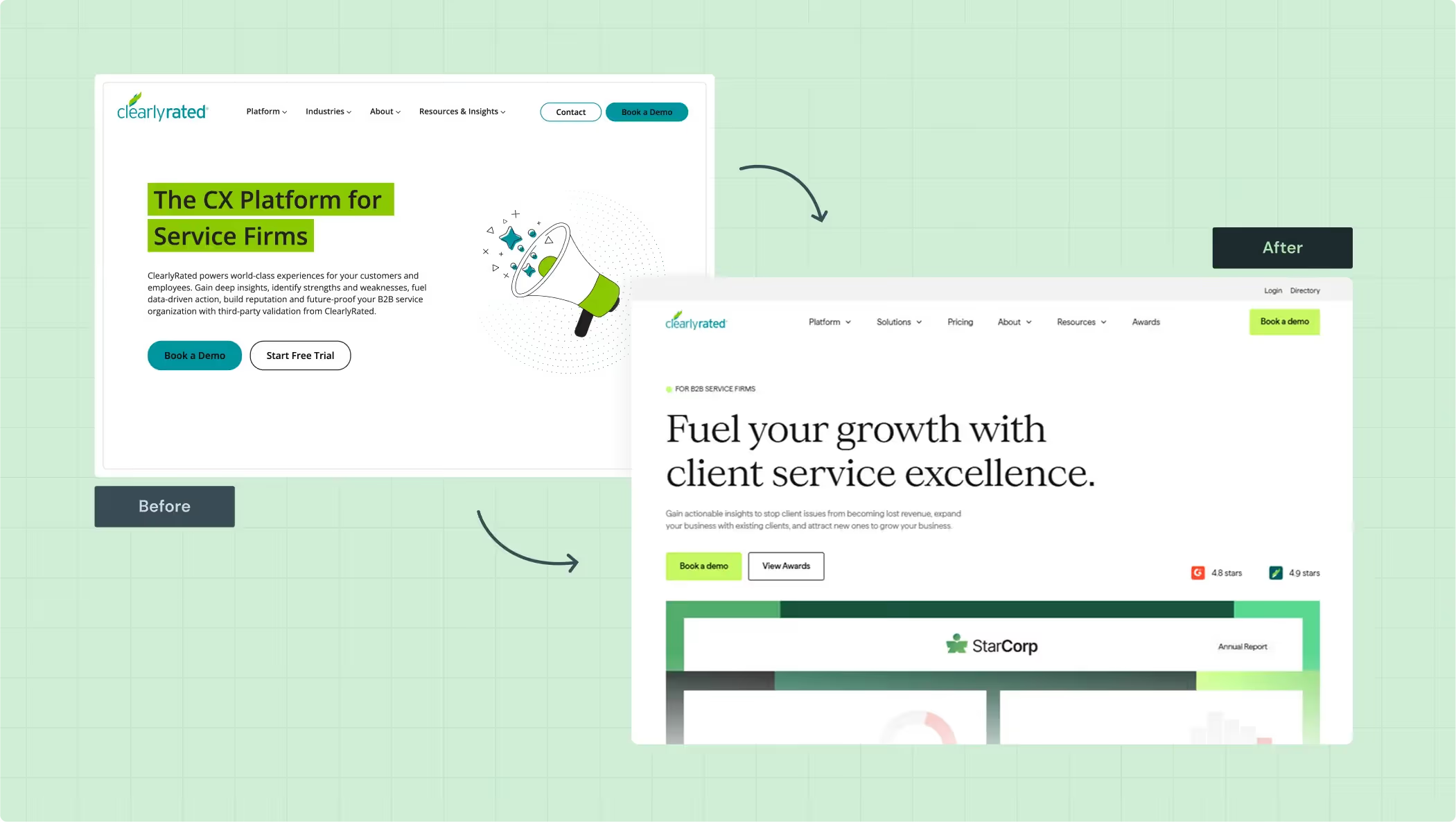
With a clear B2B website growth strategy for scaling teams, every pixel becomes an investment in measurable outcomes and sustained revenue growth.
Also read: SaaS Website Design That Converts: 7 Must-Have Elements to Win More Signups
How Much Does Website Design Really Cost in 2026?
The average cost of website design can be between $1000-$100,000+, depending on the level of complexity and features you want in your design. Let’s break it down by project type and global pricing tiers:
At ThunderClap, we specialise in Webflow builds for B2B clients. We have completed over 140 projects for numerous brands, and our entry-level Webflow design service starts around $8,000-$10,000 for a 4- to 8-week build.
Paying for a higher tier may involve an upfront higher website design cost, but it often leads to stronger ROI as your site scales, converts better, and avoids expensive rework later.
What Affects the Cost of Website Design?
There’s no fixed rate when it comes to website design pricing, because what you pay depends on what you need. Some choices make the project lean and efficient, while others raise the cost for good reason.
Let’s break it down:
- Scope of features: If your website needs tools like booking engines, CRMs, gated content, or dynamic lead forms, it takes longer to build. These features add value, but they also increase development hours and testing time.
- Custom vs template: If you're thinking about going fully custom web design, know that it demands deeper dev hours, hands-on strategy, and tailored UX planning. In contrast, template-based websites are faster to deploy and lighter on the wallet. This choice can significantly shift your cost bracket, depending on how flexible or future-ready you want your site to be.
- Team experience: Freelancers may charge less, but they usually offer limited strategic input. A seasoned Webflow Design Partner, such as ThunderClap, brings designers, developers, and product marketing managers who know how to build for both usability and conversion.
- Content requirements: If your internal team is writing the copy, great, as you’ll save a bit. If not, you’ll need support with copywriting, wireframing, or content hierarchy. That adds to your total budget, but it also adds a ton of value if your current content lacks focus or clarity.
- SEO & AI optimization: Want your site to perform better in search engines and get discovered by AI tools? That means structuring your content, adding schema, and building it in a way that future-proofs visibility. It takes more work but pays off long-term.
Each of these elements plays a role in shaping your website’s cost. The right mix depends entirely on your goals, timeline, and the readiness of your assets.
Also read: 20 Proven SaaS Conversion Optimization Hacks to Boost Your Sales
How to Turn a Website Redesign Into a Growth Engine
Many brands invest heavily in redesigns, yet they often end up with poor conversions or confused visitors. The trick isn’t to throw more budget at design, but to think more like product and marketing teams rolled into one. Here’s what makes a website redesign worth the money:
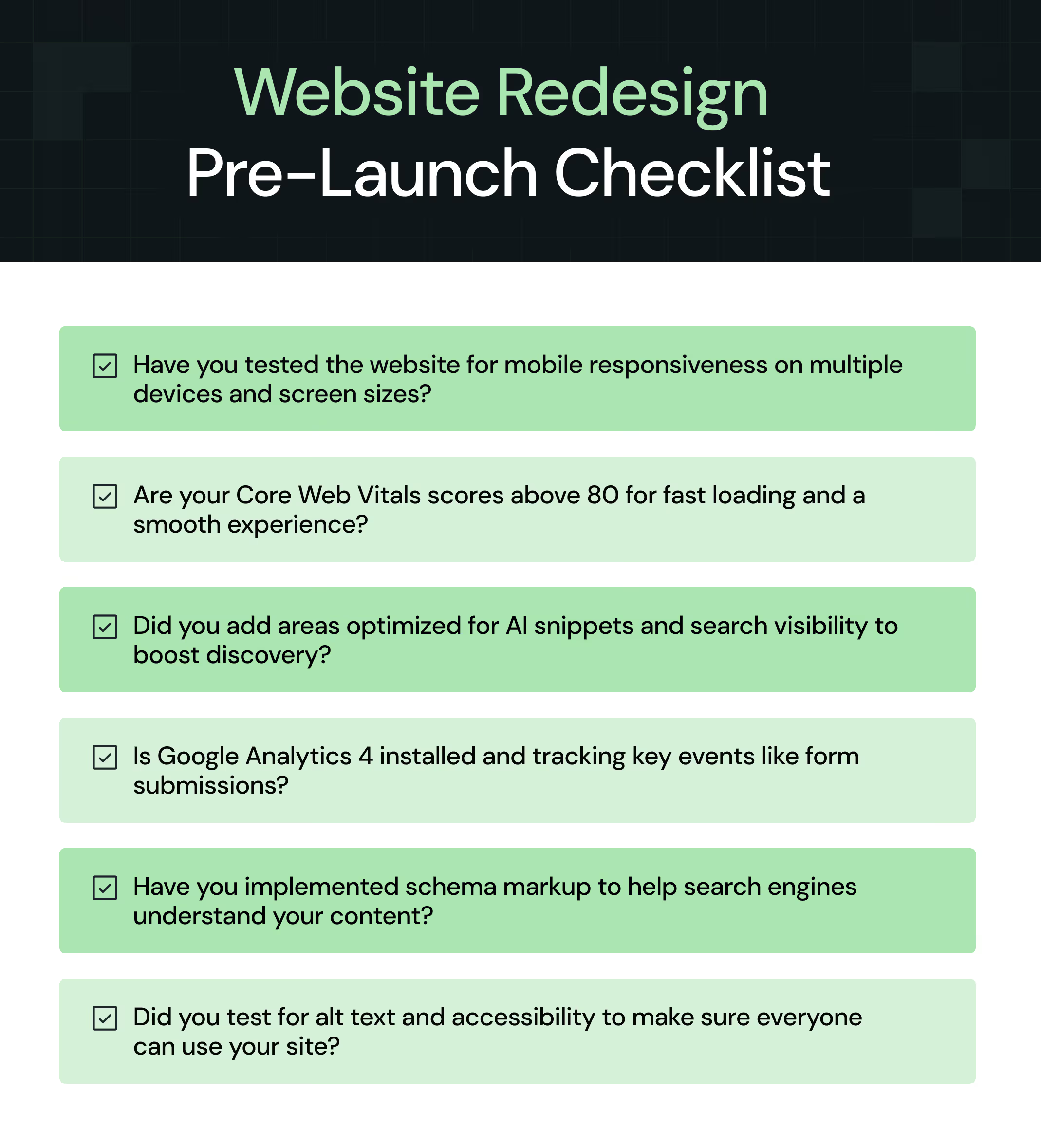
{{specficService}}
How to Use This Checklist
- Print it out and pin it to your wall (yes, really)
- Use it as a final audit before any redesign launch
- Run each item through your V.A.L.U.E. framework to check for business impact, not just design polish
- Apply it to every new page or section you roll out, even post-launch
Make Your Website Work Harder Than Your Sales Team
You’ve now got a clear view of what separates a website that just “looks good” from one that actually performs. A smart website design investment doesn’t drain the budget. It brings measurable returns when done right. From influencing B2B buyer journeys to lifting conversion rates and shortening sales cycles, the payoff can be serious. But only if it’s built with purpose.
At ThunderClap, we build 129+ Webflow websites for B2B brands that need more than just a visually appealing interface. Here’s what makes working with us a smart bet:
- Strategic B2B focus: We design for complex buying processes, where multiple stakeholders need clarity and confidence at every step.
- Performance-first execution: We focus on real outcomes like higher MQLs, demo signups, and deeper product interest.
- Future-proof tech stack: As a certified Webflow Enterprise Partner, we combine visual excellence with flexible CMS setups that marketing teams love.
- SEO and AI-ready: Every build is optimized for performance, discoverability, and AI-readiness, so your site converts.
- Tied to business goals: We keep content, UX, and design mapped to your sales funnel so every visitor knows exactly where to go next.
If you’re serious about turning your website into a growth lever, we’re the partner you’ve been looking for.
{{ctaBlock}}
FAQs
1. How much does a website design cost in 2025?
The cost of a website design in 2025 can start around $200 to $1,000 for a small marketing site and go beyond $100,000 for large B2B platforms with complex integrations. For most mid-market B2B brands, the sweet spot usually falls between $15,000-$50,000, depending on the level of customization you desire. A fully custom-built site that incorporates strategy, , B2B messaging, UX, SEO, and Webflow development will not only cost more but also deliver better business outcomes.
2. What factors influence the cost of website design?
Several key choices will determine the final cost of your website design project. If you want advanced features like dashboards, multi-language support, or gated content, that’ll require more development time. Whether your site uses a pre-built theme or is designed from scratch makes a huge difference, too. Experienced teams that bring design, strategy, content, and SEO together will cost more, but they usually deliver better ROI. Your team’s involvement also matters. If you're writing the content in-house and managing SEO separately, that could lower your total cost.
3. How can I estimate the cost of my website project?
Begin by mapping out your site's requirements and identifying its target audience. Once you’ve listed the number of pages, the types of users, and any unique requirements like animations, CMS, or CRM integrations, you’ll have a decent ballpark in mind. From there, talk to teams who’ve built similar websites and get breakdowns that explain how they price different elements. Use those details to create a realistic project scope before locking in a budget.
4. Can I estimate my website design cost online?
Yes, some agencies (like ThunderClap) offer instant website pricing estimators that help you get a rough idea of your project cost. While tools won’t replace an in-depth scoping conversation, they do help you figure out if your budget matches your goals. Just be sure the tool factors in strategy, UX, content, and SEO because design alone doesn’t drive conversions.



.webp)
Browse Similar Articles


Leading 5 SaaS Branding Agencies in Florida (That Actually Understand SaaS Growth)

.svg)


How to Turn Your B2B Website into a Self-Serve Growth Engine? (PLG Ready in 2026)

9-Step Website Copy Audit Checklist to Improve Conversions (Examples from Top B2B Brands)

.webp)

How to Choose the Right Fintech Web Development Company for Your Business
Top B2B Website Design Principles That Turn Visitors into Qualified Leads
%20Audit%20That%20Actually%20Improves%20Revenue.webp)
How to Do a Conversion Rate Optimization (CRO) Audit That Actually Improves Revenue
Web Design Agency vs. Freelancer vs. In-House: What Actually Works in 2026
5 CRO Agencies in London and How to Choose the Best CRO Agency for Your Business
The Ultimate Fintech B2B Positioning Guide for 2026 (That Actually Drives Conversions)
Mapping the B2B Buyer Journey to Improve Conversions Across Every Touchpoint
.webp)
7 Best Website Maintenance Companies in India for Growth-Led B2B Teams (2026)

.webp)

8 Best Healthcare Website Design Agencies for HIPAA-Compliant Sites in 2026

How to Find the Best Web Design Company in Houston, Texas for B2B Brands (6 Best Picks)

Positioning That Wins: How to Make Complex B2B Products Clear and Compelling
The Step-by-Step Website Redesign Process B2B Teams Use to Increase Conversions (Without Killing SEO and Pipeline)

7 Best Video Production Agencies for SaaS Product Walkthroughs and Feature Videos
How to Choose the Best B2B Website Maintenance Company: 9 Questions to Ask Before You Hire One


How to Choose a Web Design Company in San Francisco in 2026 (with Examples)

10 Best Web Design Companies in Florida in 2026 and How to Choose the Right One

How to Use Brand Storytelling on Your Website to Close More B2B Deals and Build Buyer Trust

SaaS CRO Best Practices: What High-Growth Brands Do Differently to Win Conversions

How a Rebranding Agency Can Redefine Your B2B SaaS Identity and Boost Pipeline
B2B Marketing Trends in 2026 That Directly Influence Pipeline and Revenue

Top 7 Video Marketing Agencies Driving B2B SaaS Brand Awareness in 2026
Why Partnering with a B2B Brand Positioning Agency Accelerates Market Differentiation

The Complete Website Redesign Checklist for B2B SaaS Teams Ready to Scale
.avif)
9 Best Webflow Development Agencies in India for 2026 (In-Depth Review)

10 Product Marketing Companies Powering the Fastest-Growing SaaS Brands in 2026
Website Copywriting Services vs In-House: What's Right for Your Business?


How to Choose a Marketing Agency That Understands B2B SaaS Growth Metrics


How to Choose a Video Marketing Agency That Understands B2B Storytelling

Outsourcing Web Design: Cost-Benefit Analysis for Mid-Market & Enterprise Brands

From Leads to Lifetime Value: How Growth Marketing Agencies Scale SaaS Revenue
Build a B2B Website Strategy That Aligns with Sales and Marketing Goals
Webflow vs WordPress: Which Platform Is Better for Your Business Website in 2026?
Fintech Web Design That Builds Trust: 8 UX Principles Every Fintech Site Needs
Optimizing for Intent: How B2B Website Messaging and UX Changes Help Capture Top-Funnel Buyers

12 Best B2B Web Development Agencies in the US to Build Scalable Websites

From Audit to Action: 8-Step Process to Optimize Your B2B Website Strategy for 2026 Buyers
How to Design a High-Converting Landing Page from Scratch (2026 Edition)
From Click to Customer: Proven Landing Page Conversion Optimization Techniques

How to Write Website Copy That Converts: A Step-by-Step Guide for 2026

How to Optimize a Landing Page for Maximum ROI: A Step-by-Step Breakdown


AI Landing Pages That Convert: 7 Design Principles Every AI Platform Should Follow
From Traffic to Pipeline: B2B Website Growth Strategy for Scaling Teams

B2B Website Optimization Strategy: Speed, UX, SEO, and CRO in One Playbook




Interested in seeing what we can do for your website?



.webp)
